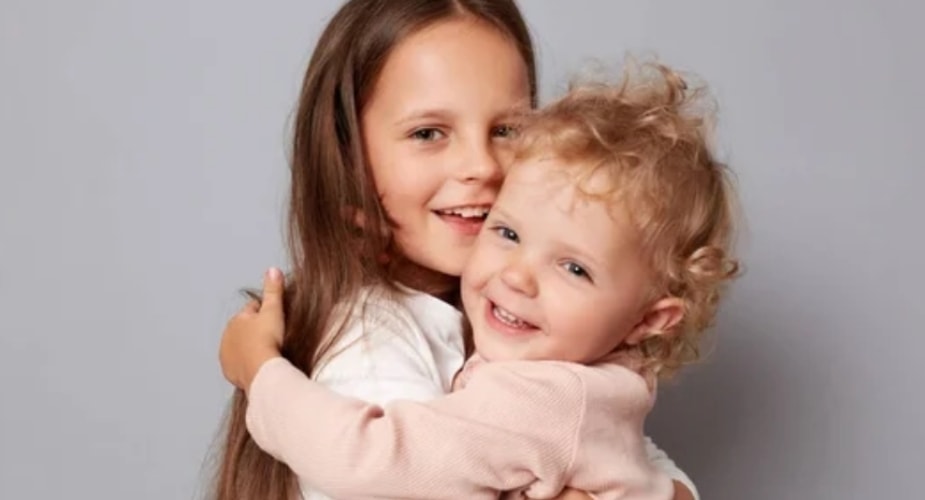
What is Sisterhood Week, and why is it important? Discover the sisterhood story of young girls growing up together in girls' dormitories, and the transformative impact of university dorm life on young people.
Brotherhood Week is celebrated every year from April 28 to May 4. And every year, the same question must be asked: Where does brotherhood really begin? Is it when you find a place for yourself at a table? Or is it when someone understands you without you having to explain...?
Sometimes a person feels they belong somewhere through the presence of other people. Because brotherhood is the ability of a person to meet in the same emotion, to feel each other's burdens, and to make space for each other in life. For 30 years, TÜRGEV has accompanied young girls on their educational and life journeys, creating not just an institution, but an environment where young people find each other, draw strength from one another, and feel a sense of belonging. Some places are not just areas to stay; some places are good for the heart.
You can visit the Dormitory Application page for information about TÜRGEV girls' dormitories.
Why is Brotherhood Week Important?
Brotherhood Week is not just a week of awareness. It is also a time when people remember their responsibility to one another. It reminds us that living together is more than a choice; it is a responsibility, that solidarity makes life more livable, and that a person can only be strengthened by other people.
This week is especially meaningful for young people who are just starting university and living in a girls' dormitory. Because they experience one of the most important transitions of their lives during this process: a new city, a new life, and people they have not yet met.
The Bonds Formed in TÜRGEV Dormitories During Brotherhood Week
Some relationships are built over time. When a young girl steps into a university dormitory in a new city away from her family, the silence of the first days can feel heavy. Unfamiliar faces, an unfamiliar routine, the warmth of family that is missing...
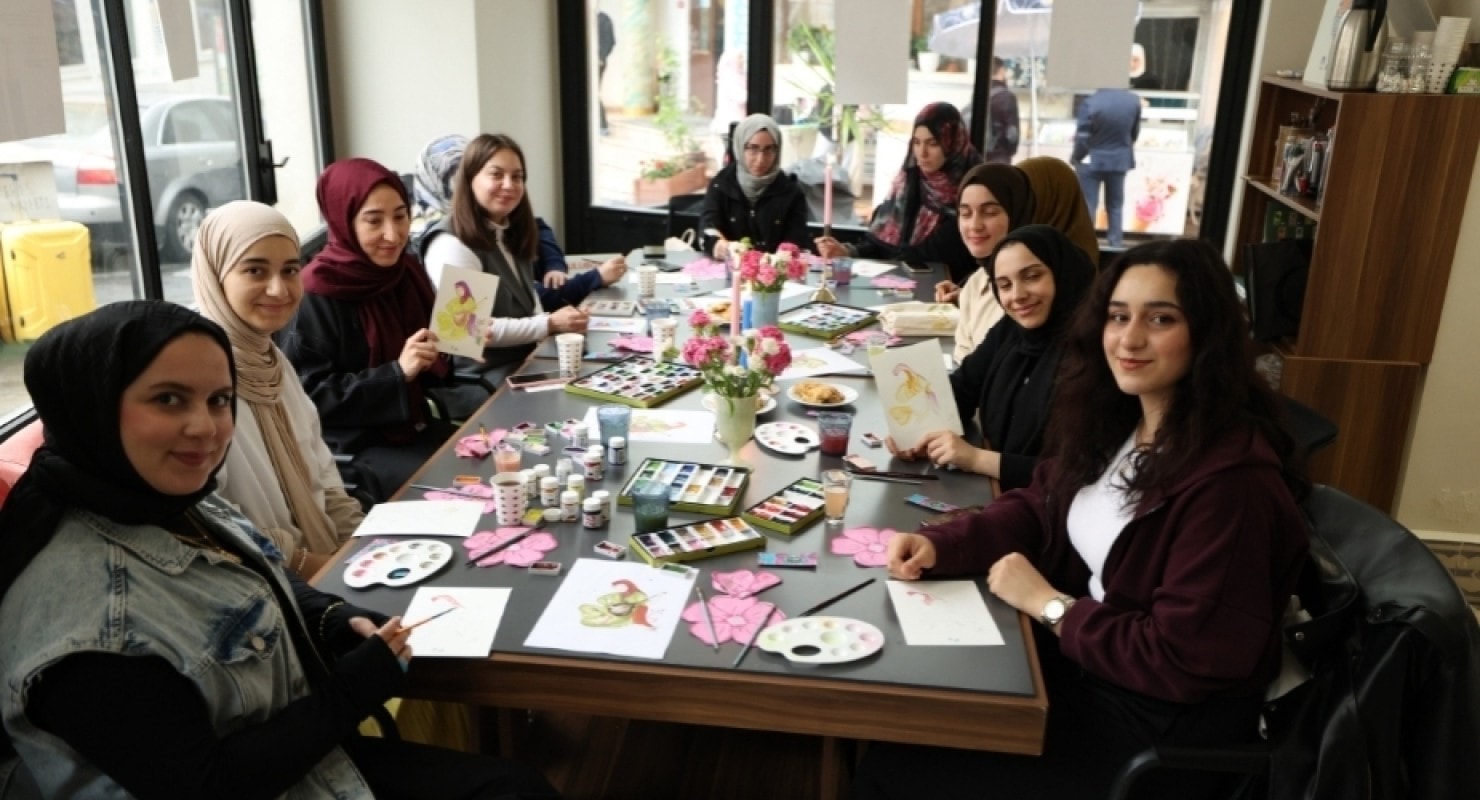
However, over time, the people walking in the same corridor cease to be strangers to each other. Mornings spent having breakfast together, long conversations late into the night, prayers said before exams, and shared little moments of life transform people into siblings. Young people living under the same roof in the TÜRGEV girls' dormitory often become some of the first people to touch each other's lives.
Because brotherhood sometimes arises not from sharing the same last name, but from sharing the same feeling.
Brotherhood Week and Environment: Where Does a Person Grow?
What nurtures a person is not just the education they receive. The environment they are in, the people they encounter, and the spaces where they feel safe also determine the direction of life. Therefore, the issue of environment is not just about creating a space; it is about creating an atmosphere where a person will feel they belong.
The understanding of sisterhood at TÜRGEV is shaped precisely on this ground. Here, there is more sharing than competition, more strengthening together than loneliness, and lasting bonds instead of temporary relationships. There are people who quietly stand by you in difficult times, who are sought after even after graduation. Brotherhood grows here not with grand words, but with small yet real moments in everyday life.
The relationships formed in TÜRGEV dorm life often do not end with graduation. A friendship that begins in a girls' dormitory transforms into a relationship of trust that continues even years later. Because some people do not enter our lives for a short time; they become life itself.
From Silopi to Gaza — The Universal Meaning of Brotherhood Week
Brotherhood is not always established in the same city. Sometimes it grows in the hearts of people who have never met. The story of a young girl living in Silopi is closer to the story of another young girl struggling for life in Gaza than we think. Because even if the geography changes, the feelings a person carries do not.
A young girl growing up in Silopi learns solidarity, to shoulder each other, and to stand tall in the face of difficulties. A young girl living in Gaza carries the resilience to maintain hope even in the harshest conditions of life, to hold on to education, and to remain human.
Two different cities. Two different lives. But two young girls meeting within the same feeling. Gaza today is more than just a geography; it is a truth carried in the hearts of people with conscience. For young people, brotherhood gains meaning with a sense of responsibility towards the pain experienced in other parts of the world.
The relationship that TÜRGEV establishes with young people also carries an understanding that nourishes this climate of conscience. Because brotherhood is not just standing side by side. Sometimes it is praying for a person far away. Sometimes it is carrying the pain of someone you have never met in your heart. Sometimes it is feeling the story of a sister living in another city, in another country, as if it were your own.
At the Same Table, In the Same Environment, In the Same Heart
A person finds strength in the place they belong. The culture of brotherhood that TÜRGEV has built over the years is not just about spending time together. The bonds formed here often do not end with graduation; a friendship that begins in a university dormitory transforms into a relationship of trust that continues even years later.
The understanding of sisterhood at TÜRGEV is the common story of young girls who support each other, do not leave each other alone, and grow up in the same environment. This bond transforms brotherhood from just a concept into a lived emotion. And most importantly: some bonds are formed not by last names, but by sharing the same feeling.
You can visit the Events page for information about TÜRGEV's educational programs and volunteer activities.
Frequently Asked Questions
When is Brotherhood Week celebrated?
Brotherhood Week is celebrated every year from April 28 to May 4.
Why is Brotherhood Week important?
It is a special awareness week that reminds people of their sense of responsibility towards one another, solidarity, and the culture of coming together around common values. It emphasizes the importance of sharing, living together, and strengthening the sense of trust in human relationships.
Why is brotherhood especially important for young people?
The social bonds formed during youth play a significant role in an individual's psychological and social development. The feeling of brotherhood reduces feelings of loneliness, increases the sense of trust, and makes life starting in a university dormitory in a new city more meaningful.
What does "sisterhood" mean at TÜRGEV?
At TÜRGEV, sisterhood refers to a form of relationship that is not just about sharing the same environment, but about supporting each other during different periods of life, growing together, and forming bonds around the same values. The relationships formed in the TÜRGEV girls' dormitory and educational programs gradually turn into trust, friendship, and a sense of belonging.
What kind of environment is found in TÜRGEV girls' dormitories?
In TÜRGEV girls' dormitories, there is a culture of life based on sharing, solidarity, and trust. Students not only have a place to stay; they also develop socially and culturally, forming lasting bonds that touch each other's lives.
Is brotherhood established only in the same environment?
No. Brotherhood can sometimes be established even between people living in different cities, or even different countries. As in the example of Silopi and Gaza, even if the geographies are different, the common feeling and empathy create this bond.
You can visit turgev.org for information about TÜRGEV girls' dormitories or to review the application process. Brotherhood here begins with growing together.